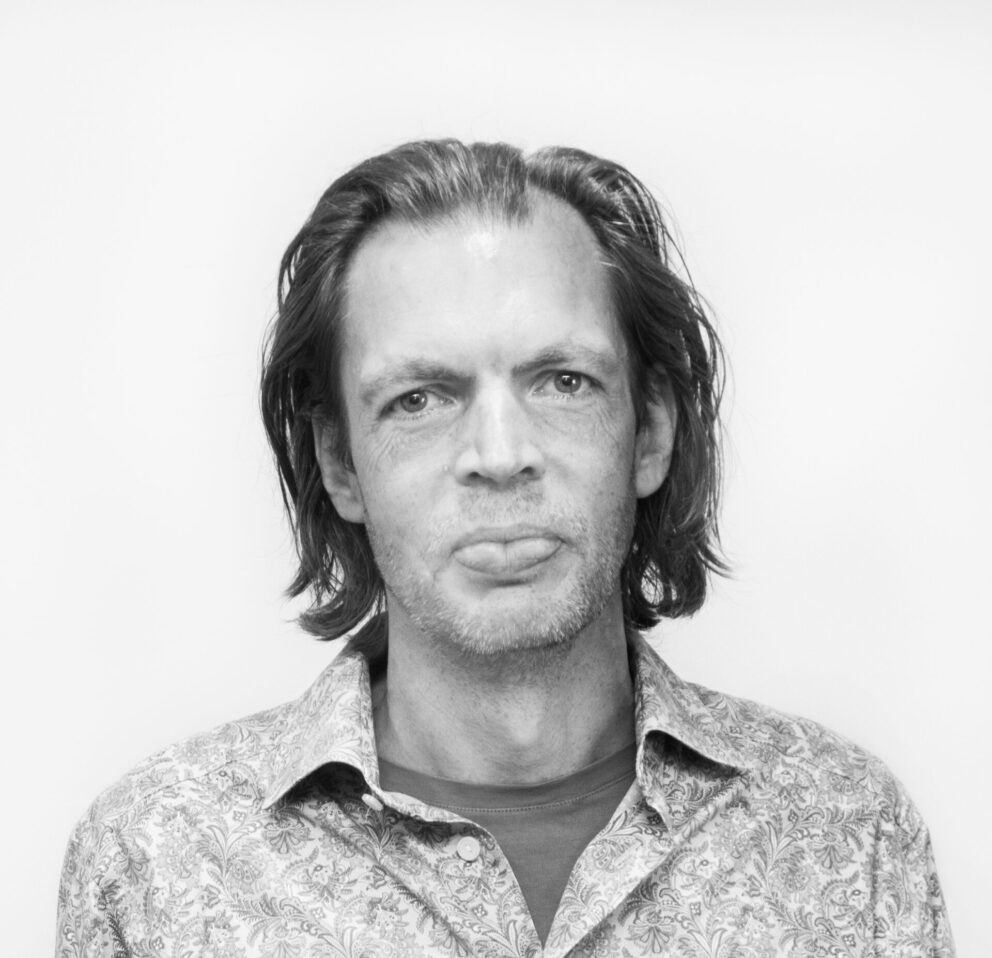
Andreas Nilsson joined Fluent as a Senior Software Developer in August. He has been programming in one way or another for 42 years, but what truly interests him most are people and their problems — not technology.
Andreas Nilsson was just eight years old when his parents bought him a computer. He immediately started coding — back then, getting started was much simpler than it is today.
“You’d just code something to, say, make an element move on the screen. It wasn’t anything more complicated than that. It was easy to get started”, Nilsson recalls.
Programming followed along year after year, and Nilsson later went on to study robotics at university.
“I’ve been coding more or less every day for most of my life. Lately, though, I’ve made a conscious effort to take several months off from programming here and there — it’s good for the brain to take some distance once in a while”, he says.
Joensuu beats many big cities
Andreas Nilsson came across Fluent’s job posting while living in Oslo and looking for new opportunities. Thanks to his Finnish connections, he already had a positive impression of Finland and its work culture.
“The wording in Fluent’s job ad really spoke to me, so I decided to apply. It was a lucky coincidence”, he says.
He didn’t know anything about Joensuu beforehand but says he’s settled in very well.
“Compared to Norway, for example, people seem much happier here. The university gives the city a special kind of energy, and best of all, nature is close by almost everywhere — which is incredibly important for one’s well-being.”
Finnish and Swedish work cultures are similar in that employees also have a voice — which, of course, is a good thing.
Originally from Sweden, Nilsson has worked in several major cities across Europe.
“Working in different cultures and environments teaches you a lot. It helps you realize how many things you take for granted in daily life. There are countless ways to do and see things. I’ve become pretty picky about where I live, and Joensuu has actually felt like the right choice — much better than, say, Lisbon, Prague, or Oslo”, he notes.
Nilsson has seen very hierarchical work cultures in his career, where employees aren’t always treated well or listened to.
“Career-driven leaders might not know anything about software development, so the company ends up doing things that make no sense. Even in Norway, the work culture can be like that. That’s part of why I felt it was time for a change. Finnish and Swedish work cultures are similar in that employees also have a voice — which, of course, is a good thing.”
Analogue making as a counterbalance to virtual work
Road maintenance and infrastructure asset management are entirely new fields for Nilsson. However, he’s familiar with systems related to sports facilities, having previously worked with ski resorts.
“The fact that Fluent’s customer base is mostly made up of municipalities and cities was something that really appealed to me. I’ve previously worked on things like private jet booking systems, and that kind of work feels totally meaningless. Here, we’re doing something that genuinely contributes to the functioning of society.”
Nilsson says he appreciates Fluent’s team-based approach to software development, which he finds much more sustainable than working alone.
Here, we’re doing something that genuinely contributes to the functioning of society.
“Software development isn’t about how much or how fast you write code—it’s about how deeply you understand the problem and how sensibly you solve it.”
Years ago, Nilsson worked long days in the field, but nowadays, his focus has shifted.
“I’ve had many roles in the industry, and over time I’ve realized that most problems are really about understanding the user. I’m no longer interested in technology itself; what fascinates me most are people, their problems, and how to solve them.”
In his free time, Nilsson explores Joensuu’s trails with his dog Nessie. In addition to outdoor activities, he practices self-defense and enjoys hands-on hobbies — anything analog to balance the digital nature of his work.
“Playing the piano or guitar, drawing, woodworking… anything that involves working with your hands is good for the brain as a counterbalance to virtual work”, he concludes.